
Interior Epoxy Flooring in Albany, Oregon
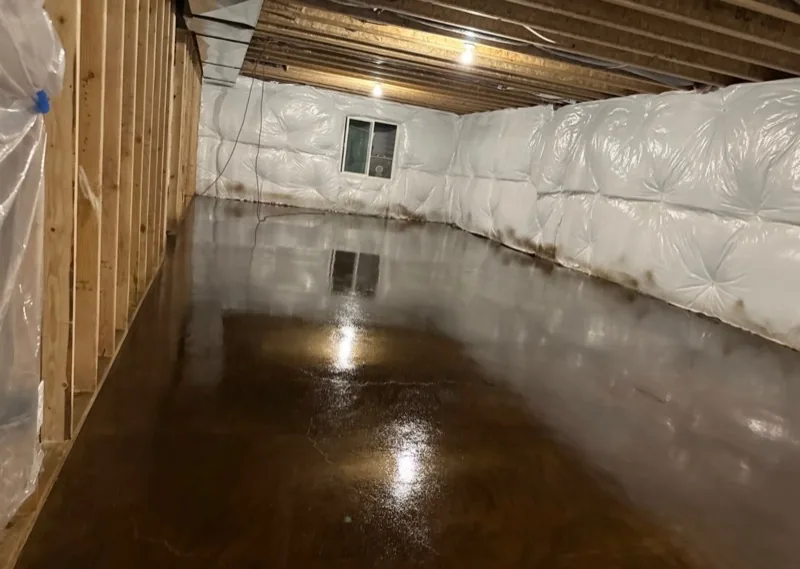
Quick answer: Interior epoxy flooring is a seamless resin coating over a concrete floor inside the house: basements, mudrooms, laundry rooms, home gyms, workshops and even living areas. It is easy to clean, has no grout lines, and can be flake, solid color or metallic. In Oregon, basements and slab rooms need a moisture test first, because epoxy cannot hold back water that is coming up through the floor. Call (541) 960-4797.
Why epoxy indoors
Bare concrete inside a house is dusty, cold-looking and stain-prone. Carpet on a concrete floor in a wet climate tends to hold moisture and smell musty. Tile has grout lines that collect grime. A seamless epoxy floor solves all of it: it seals the concrete, stops dusting, wipes clean with a mop, and can look as plain or as dramatic as you want. Basements, mudrooms and laundry rooms in Albany homes get the most out of it because they are the rooms where wet boots, pet paws and washing machine leaks are most likely.
Finishes include solid colors, decorative flake in fine or larger chips, and metallic epoxy for a design-forward floor. For a bright, clean look with texture, a fine flake in a gray or tan tone is a popular choice; for a showpiece room, a gray-and-pearl metallic looks like polished stone.
Interior spaces that benefit most
- Basements. Where the slab is below grade, expect moisture questions; tested and properly primed, epoxy gives a durable, cleanable floor.
- Mudrooms and entries. Rain, grit and wet coats are constant in the mid-Valley.
- Laundry rooms and utility rooms. A sealed floor is more forgiving of leaks and detergents.
- Home gyms and bonus rooms. Impact-tolerant and easy to keep clean.
- Converted garages. Turning a garage into a studio, ADU, or office and wanting a matching floor. See also garage floor coatings.
- Workshops and craft rooms. Resistant to spills of paint, glue and cleaners.
Basements and moisture: the honest version
Basements in the Willamette Valley can be damp. Winter and spring rains raise the ground moisture around a foundation, and homes built before the 1970s often had no vapor retarder under the slab. Moisture moves through concrete as vapor, and sometimes as liquid water under pressure. If it moves through the floor, epoxy laid on top will blister or peel no matter how good the product is.
Before we coat any basement or below-grade slab we look for signs of trouble such as efflorescence (white powder), damp spots, rust stains at the bottom of walls and a musty smell, and we recommend a proper moisture test. If readings are high, a moisture-mitigating primer system may allow a coating, or we may advise fixing the source first with drainage, gutter and grading work. Our Oregon wet-climate guide covers this in depth.
Interior installation notes
Indoor jobs require a different setup than a garage. We mask doorways and stairs, use dust extraction while grinding, and ventilate the space for the odor of resin while it cures. Ask for low-odor options in living areas. Furniture, appliances and water heaters should be cleared; where a water heater or furnace sits on the slab, we discuss coating around it or planning a temporary move.
Interior floors are usually done in one to three days, depending on size and finish, followed by a cure period before furniture and heavy use. Expect to stay off the floor until we tell you it is ready. We give the times in writing, and our process page shows the full sequence.
Heating, feel and comfort
Epoxy is a hard, dense surface and it feels cool underfoot, especially over a basement slab in winter. Rugs and anti-fatigue mats in gyms and work areas are recommended. Epoxy can be installed over many radiant-heated slabs, but the heating must be turned down before coating, and the manufacturer's temperature limits followed, so mention in-floor heat when you contact us.
Cost and next step
Interior pricing depends on square footage, slab condition, moisture treatment and the finish you choose. General national ranges and cost drivers are in the cost guide; your actual price comes in a written quote after a free visit. Call (541) 960-4797 or use the form. We serve homes in Albany, Corvallis, Lebanon, Salem and surrounding towns.
Frequently asked questions
Can epoxy go on a basement floor in Oregon?
Often yes, after the slab is tested for moisture and, if needed, primed with a moisture-mitigating system. If water is actively entering the basement, that source should be fixed first.
Is epoxy smelly to install indoors?
Resin has an odor while it cures. We ventilate, and lower-odor products are available for living areas.
Is epoxy warm enough for a basement gym?
It is a hard, cool surface. Mats or rugs are recommended in gyms and work areas.
Can you coat a floor with radiant heat?
Often yes, if the heating is turned down before and during the job and the product's temperature limits are followed. Tell us about it up front.
Related pages
Deciding between systems? Read flake vs metallic epoxy.
Ready for a straight answer on your floor? Call or text (541) 960-4797 or send the quote form for a free on-site estimate.
Call (541) 960-4797